
- 9
- 1
- 1
- 1
Lake Eyasi, Tanzania
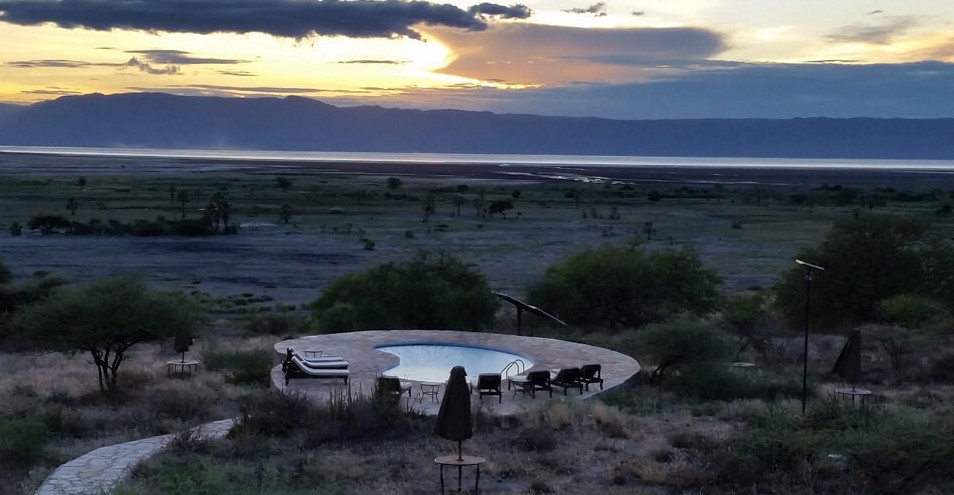
Lake Eyasi is a seasonal, shallow endorheic salt lake surrounded by volcanic mountains and dotted with doum palms. Its landscape changes dramatically with the seasons—from a large, shallow body of water in the wet season (attracting masses of birds) to a virtually dry salt pan in the height of the dry season (offering unique walking and driving opportunities).
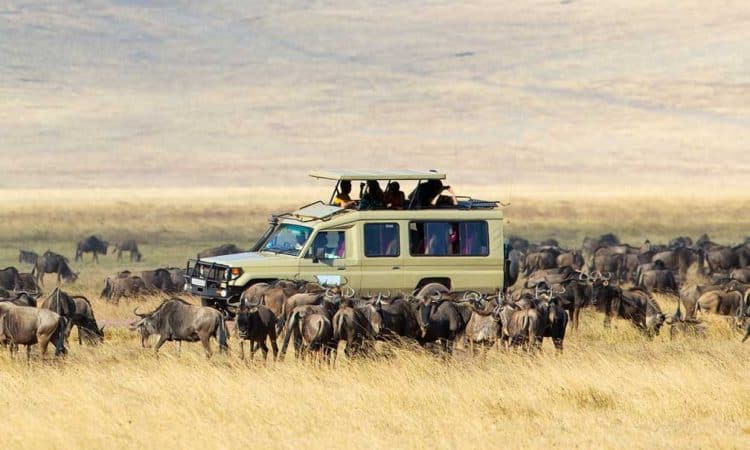
It serves as a perfect complement to the busy Northern Circuit safari destinations like the Serengeti and Ngorongoro Crater, providing a quieter atmosphere and a focus on human history and culture.
Top Activities and Attractions
The main draw of Lake Eyasi is its unparalleled cultural tourism and rich birdlife.
1. Cultural Immersion with the Hadzabe Tribe (The main highlight)
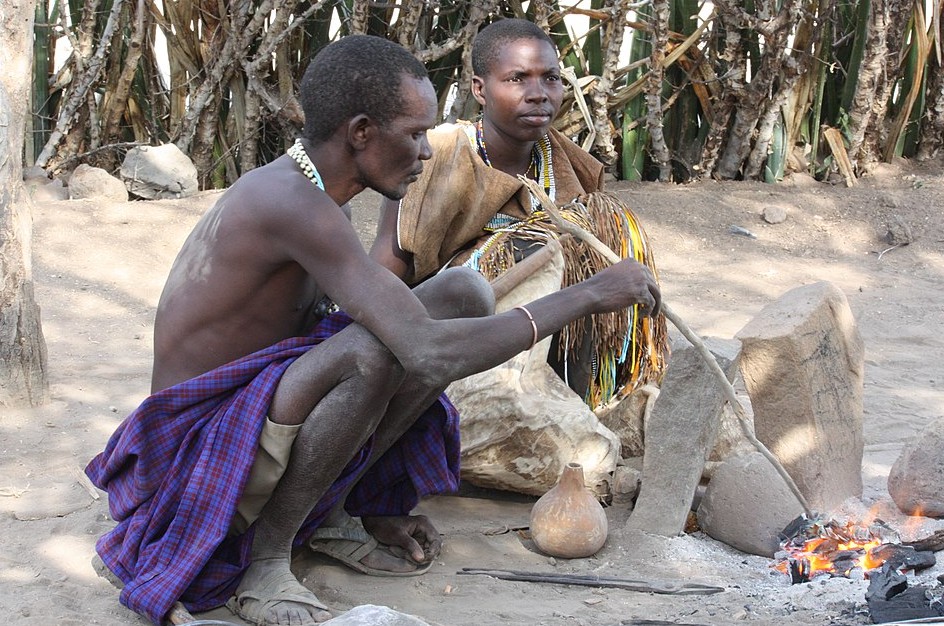
The area is home to the Hadzabe (or Hadza) people, one of the last true hunter-gatherer communities in Africa, who have maintained their traditional way of life for over 10,000 years.
- Go on a Hunt: Visitors are welcomed to join the Hadzabe men on an early morning hunt, witnessing their remarkable skill with traditional bows and arrows. This is a rare, authentic window into a Stone Age lifestyle.
- Learn their Skills: You can learn about their traditional hunting techniques, how they make fire with sticks, and how the women and children forage for wild fruits, berries, and honey.
- Experience their Culture: The Hadzabe speak a unique language that features distinctive clicking sounds.
2. Cultural Visits with the Datoga Tribe
In addition to the Hadzabe, you can visit the neighboring Datoga and Mbulu tribes. The Datoga are pastoralists and skilled metalworkers, often referred to as the “Blacksmiths of the Bush.”
- Observe Craftsmanship: You can witness their traditional blacksmithing, where they forge arrows, knives, and spears—which they then trade with the Hadzabe.
- Village Visits: Visitors get to see their daily life, homes, and learn about their customs and metalworking trade.
3. Bird Watching
The lake is a haven for bird enthusiasts, hosting over 300 species.
- Flamingos and Waterbirds: During the wet season (December to May), the lake fills with water and attracts large numbers of wading birds, including migratory and resident species like Lesser Flamingos, Great White Pelicans, yellow-billed storks, and avocets.
- Other Species: Keep an eye out for Fisher’s lovebirds, gray-headed gulls, and African spoonbills.
4. Nature and Wildlife Activities
While not a Big Five destination, the area offers engaging nature activities:
- Guided Nature Walks & Hiking: The beautiful, rugged landscape around the lake is perfect for guided walks, allowing you to discover the local flora and fauna, including unique trees like the African blackwood and doum palms. You may also encounter small game like dik-diks, vervet monkeys, waterbucks, and sometimes hippos in the lake’s brackish waters.
- Canoeing and Fishing: During the wet season, visitors can enjoy canoeing and traditional fishing on the lake.
- Archaeological Sites: The region is also noted for archaeological sites like the Mumba Rock Shelter, which has deposits spanning the Middle Stone Age and Late Stone Age.
Best Time to Visit
The area is generally mild and temperate and can be visited year-round.
- Dry Season (June to October): The lake often dries up, making wildlife viewing potentially easier as animals concentrate near remaining water sources. This is also the best time for comfortable hiking.
- Wet/Green Season (November to May): The landscape is lush, the lake attracts the highest number of birds (including flamingos), and the scenery is at its most beautiful. However, hiking can be challenging due to mud and there are more insects.
How to Visit
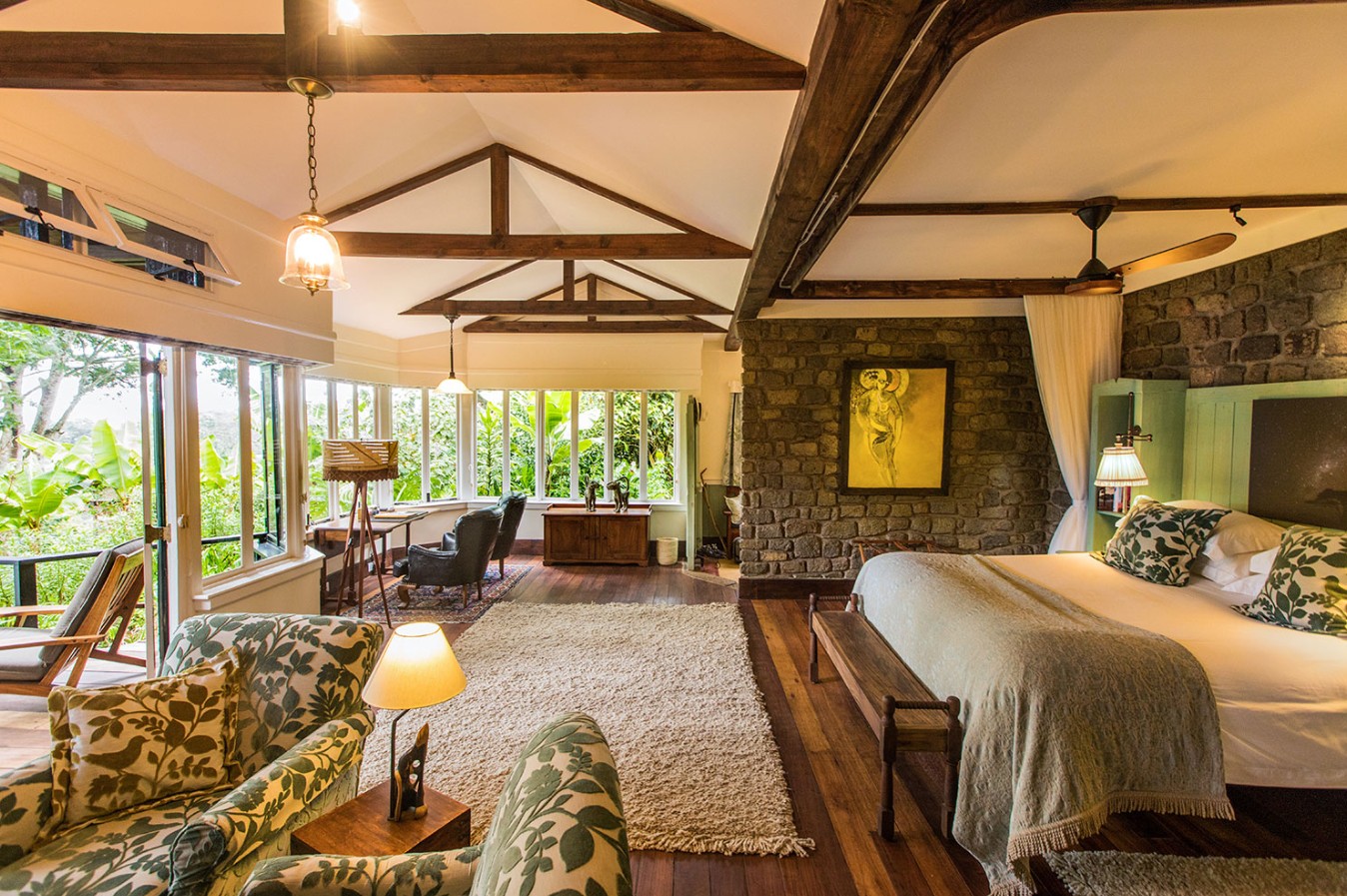
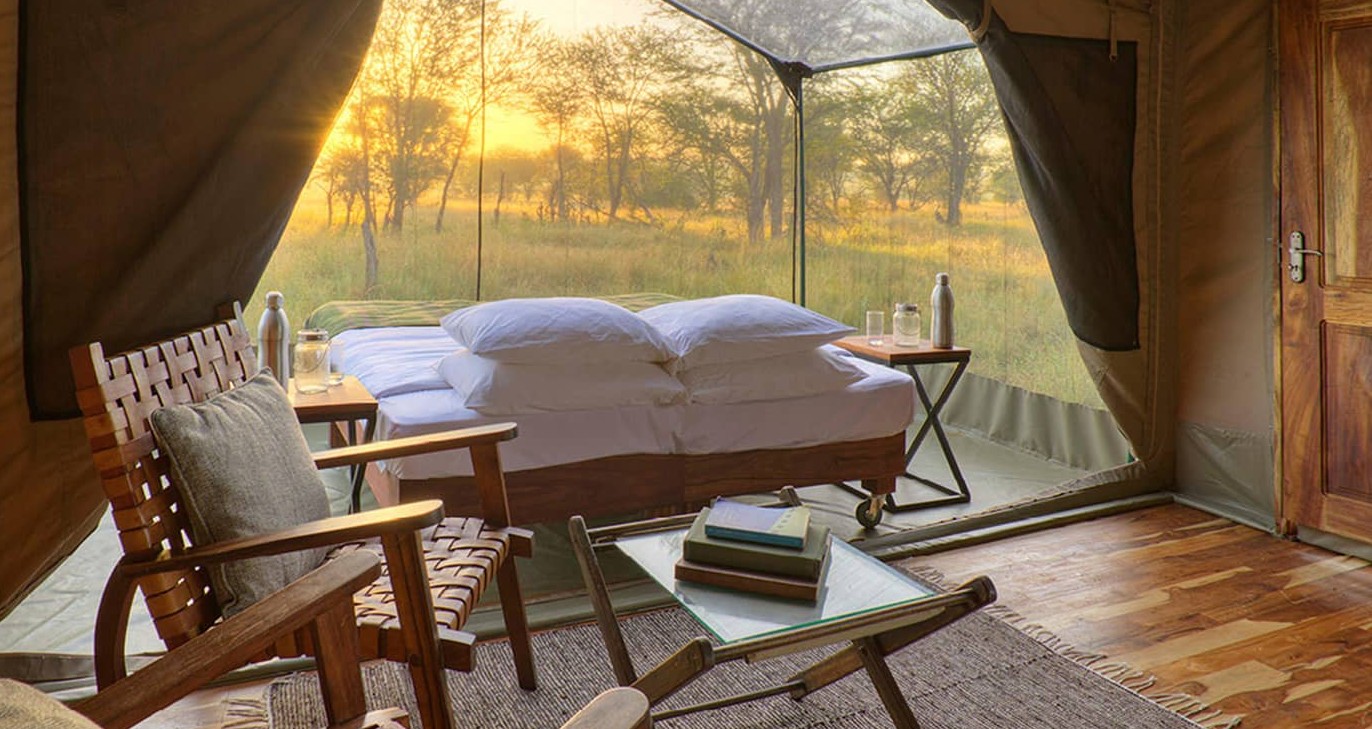
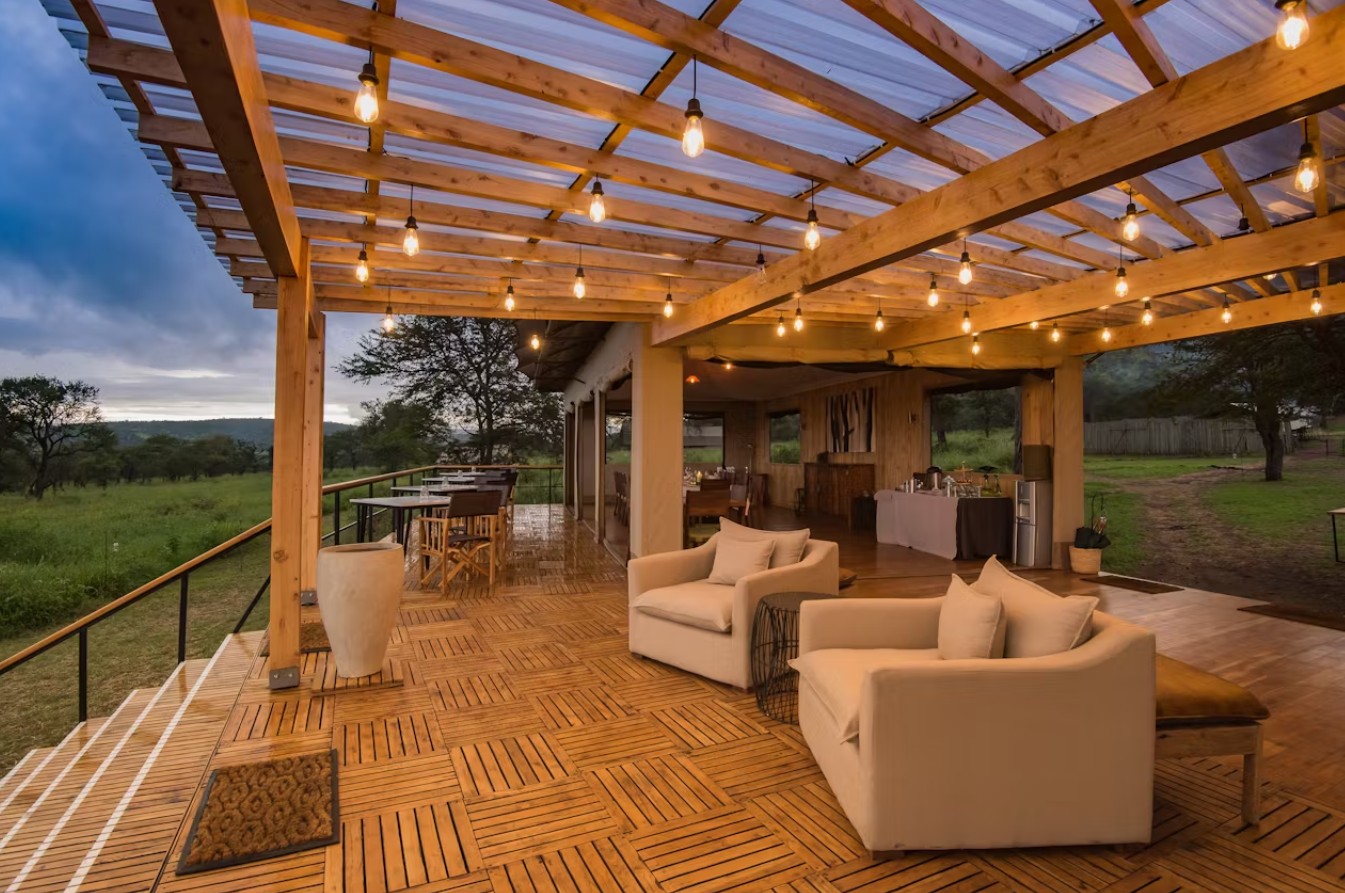
Lake Eyasi is typically added to a Northern Tanzania safari itinerary, located about an hour’s drive from the town of Karatu (near the Ngorongoro Crater) and roughly 4 hours from Arusha. Accommodations often consist of intimate tented camps and lodges that facilitate the early morning cultural excursions.

Map
Go deeper than the game drive. This unique itinerary pairs classic wildlife viewing with authentic, ethical cultural immersion.
Duration
8 Days - 7 Nights
$6,500
Next Departures
June 8, 2026 (Available)June 9, 2026 (Available)June 10, 2026 (Available)