Overview
Go deeper than the game drive. This unique itinerary pairs classic wildlife viewing with authentic, ethical cultural immersion.
Itinerary
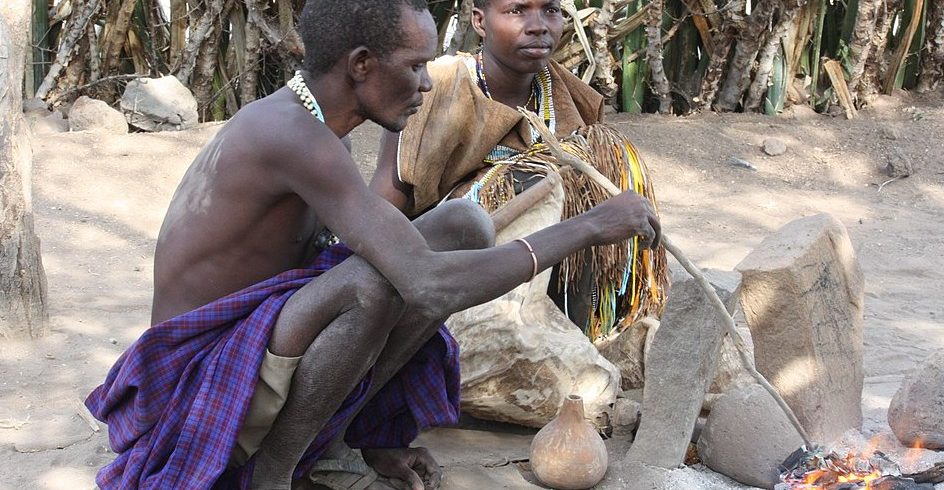
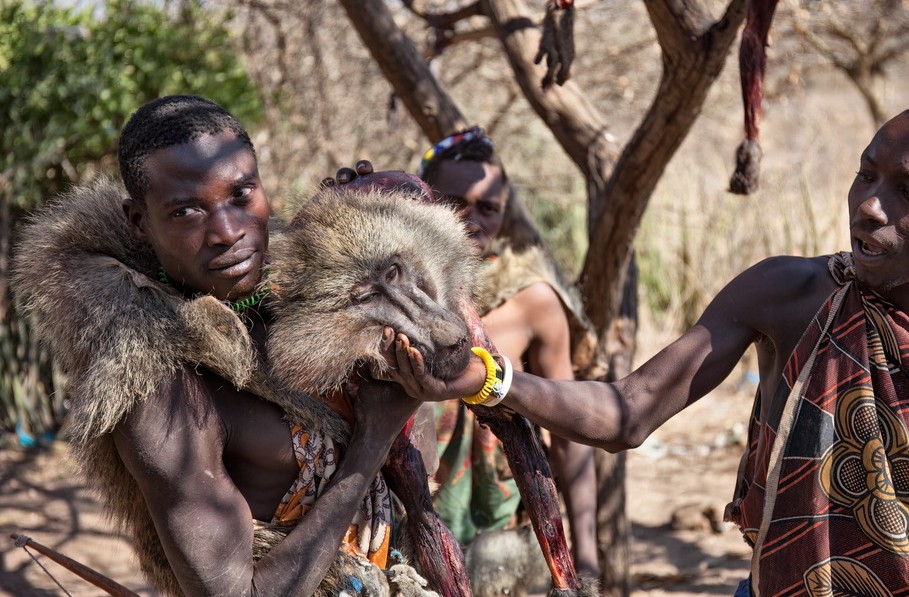
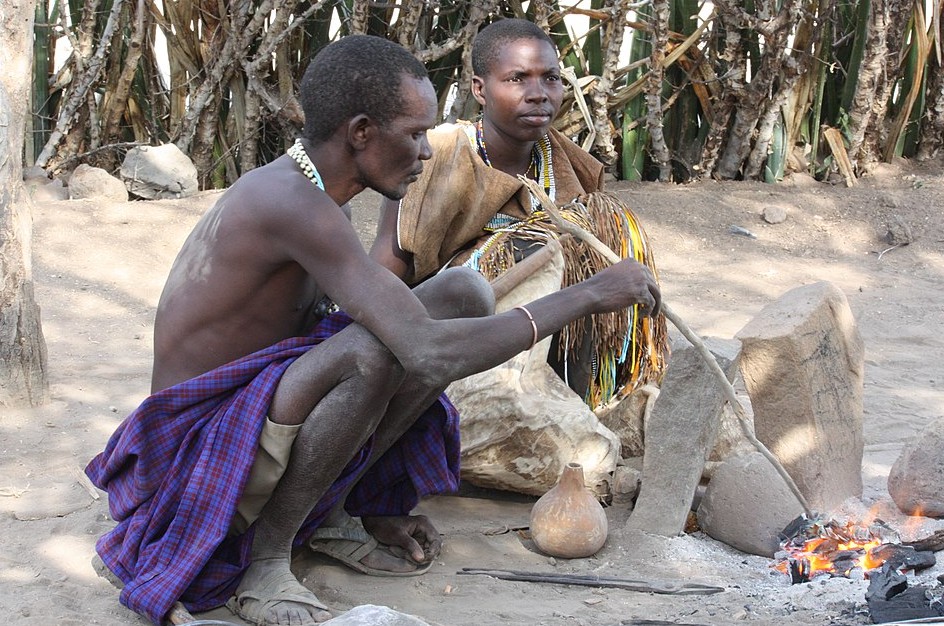
Spend time with the nomadic Hadzabe hunter-gatherers at Lake Eyasi and the skillful Datoga blacksmiths. Later, meet the iconic Maasai in the Ngorongoro Highlands before heading into the vastness of the Serengeti. This is a journey that changes your perspective as much as it fills your camera roll.
Afternoon:
- Arrive at Kilimanjaro International Airport
- Meet your safari coordinator and cultural guide
- Private transfer to Arusha (1 hour)
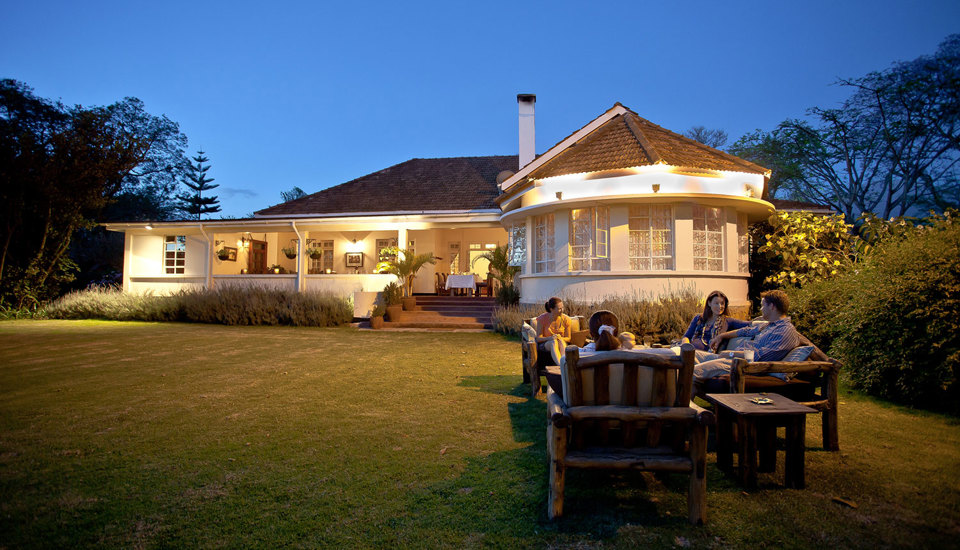
- Check into Legendary Lodge
- Beautiful property with views of Mount Meru
Late Afternoon:
- Settle into your cottage
- Explore the lodge grounds
- Swimming pool and gardens
- Relax after your international journey
Evening (5:00 PM):
- Comprehensive Safari & Cultural Briefing:
- Meet your safari guide
- Introduction to cultural experiences ahead
- Understanding ethical cultural tourism:
- Respectful interaction principles
- Photography etiquette
- Gift-giving guidelines (why cash is better than items)
- How tourism supports communities
- What to expect and how to engage
- Overview of indigenous groups:
- Hadzabe hunter-gatherers (one of last remaining)
- Datoga pastoralists and blacksmiths
- Maasai semi-nomadic people
- Their histories, cultures, and current lives
- Review itinerary and daily schedules
- Equipment check
- Questions and answers
Dinner (7:30 PM):
- Welcome dinner at lodge
- Introduction to Tanzanian cuisine
- Discuss tomorrow's very early start
- Mental preparation for Hadzabe experience
Important Notes:
- Hadzabe visit requires 4:00 AM departure
- Set multiple alarms
- Prepare camera equipment
- Dress in neutral, comfortable clothing
- Bring warm layers (dawn is cold)
Overnight: Legendary Lodge, Arusha
Meals: Dinner
Pre-Dawn:
- Wake-up call at 3:30 AM (yes, really!)
- Quick breakfast or packed breakfast (4:00 AM)
- Depart for Lake Eyasi (4:30 AM)
Early Morning:
- 2.5-3 hour drive to Lake Eyasi
- Drive through darkness on paved then dirt roads
- Pass through rural villages just waking up
- Why so early?
- To join Hadzabe on their morning hunt
- They hunt at dawn when animals are active
- This is their daily routine, not a performance
- Authentic experience, not staged
Dawn (7:00 AM):
- Arrive at Hadzabe settlement near Lake Eyasi
- Meet your Hadzabe hosts and translator
- Introduction to the Hadzabe:
- One of the last true hunter-gatherer tribes in Africa
- Population: approximately 1,000-1,500 people
- Speak click language (similar to Khoisan languages)
- Maintain traditional lifestyle for thousands of years
- No formal government, no hierarchy
- Live in small mobile camps
- Hunt with bows and poison arrows
- Gather wild fruits, honey, tubers
Morning (7:30 AM - 10:30 AM):
- Join the Morning Hunt:
- Walk into the bush with Hadzabe men
- Hunters carry handmade bows and arrows
- Watch tracking techniques passed down through generations
- Learn to identify animal tracks and signs
- Observe complete silence and patience
- See how they move through landscape
- May hunt birds, dik-dik, guinea fowl, or other small game
- Success is never guaranteed (it's real hunting!)
- Important: This is their livelihood, not entertainment
- Show respect and follow instructions
Mid-Morning (10:30 AM - 12:00 PM):
- Return to Hadzabe camp
- Traditional Activities:
- Fire-making demonstration:
- Using only sticks and friction
- Ancient technique requiring skill
- Try it yourself (it's very difficult!)
- Arrow-making workshop:
- Watch crafting of bows and arrows
- Learn about poison used on arrow tips (from desert rose plant)
- How they maintain weapons
- Target practice:
- Hadzabe demonstrate incredible accuracy
- Try shooting their bows (much harder than it looks!)
- Language lesson:
- Learn basic Hadzabe click language
- Greetings and simple words
- Practice the clicks
- Bush foods:
- See wild foods they gather
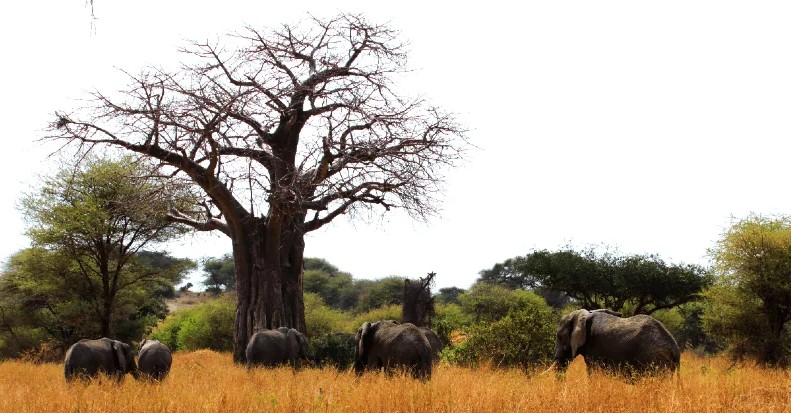
- Tubers, baobab fruit, honey
- Learn medicinal plants
- Taste some if offered
- Stories and songs:
- Sit around fire
- Listen to stories through translator
- Traditional songs and dances
- Learn about their worldview
- Camp life:
- See their simple shelters (grass and branches)
- How they live with minimal possessions
- No farming, no domesticated animals
- Truly living off the land
- Photography opportunities:
- Always ask permission first
- Compensate fairly for portraits
- Respect if someone declines
- Fire-making demonstration:
Midday:
- Say goodbye to Hadzabe hosts
- Community contribution given
- Drive to Datoga village (20-30 minutes)
- Different ethnic group, different culture
Afternoon (1:00 PM - 3:00 PM):
- Datoga Blacksmith Village Visit:
- Introduction to the Datoga:
- Pastoralist people, keep cattle and goats
- Famous for metalworking skills
- Supply iron arrowheads to Hadzabe
- Distinctive scarification on women's faces
- Wear leather clothing and copper jewelry
- Blacksmith Workshop:
- Watch traditional smelting process
- See iron being heated in charcoal fires
- Observe crafting of arrowheads, knives, jewelry
- Ancient bellows system (goat-skin bags)
- Hammering and shaping metal
- Incredible skill and precision
- Try it yourself:
- Help pump the bellows
- Maybe try hammering (under guidance)
- Appreciate the difficulty
- Village tour:
- Visit traditional Datoga homes
- Low mud-and-stick structures
- Meet families
- See daily life
- Children playing
- Women doing beadwork
- Cultural exchange:
- Share stories through translator
- Learn about Datoga traditions
- Their relationship with Hadzabe
- How tourism has impacted their lives
- Purchase crafts (optional):
- Authentic arrowheads
- Copper jewelry
- Leather goods
- Direct purchase supports families
- Introduction to the Datoga:
Late Afternoon:
- Lunch provided (packed or at nearby spot)
- Drive to Lake Eyasi accommodation (3:30 PM)
- Check into Kisima Ngeda Camp or Lake Eyasi Safari Lodge
- These are rustic but comfortable camps
- Simple luxury in remote setting
Evening:
- Settle into your tent/room
- Freshen up with bucket shower
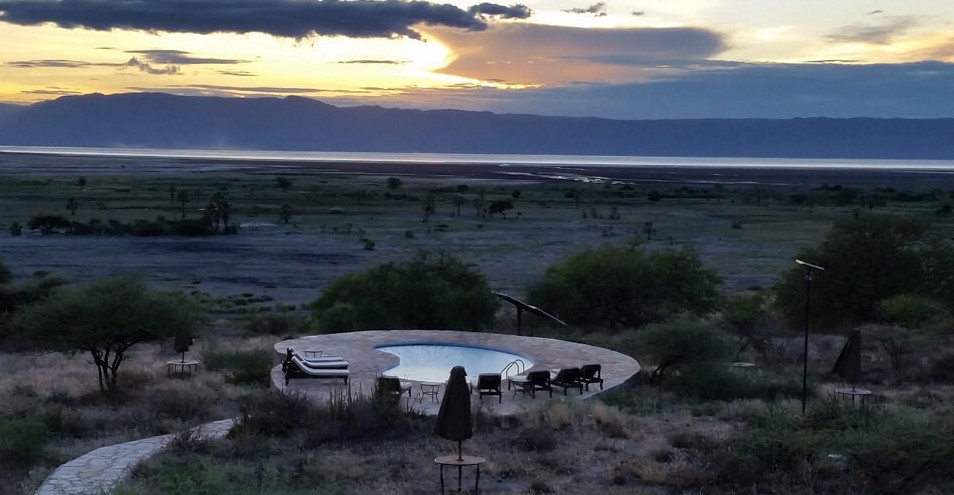
- Sundowners overlooking Lake Eyasi
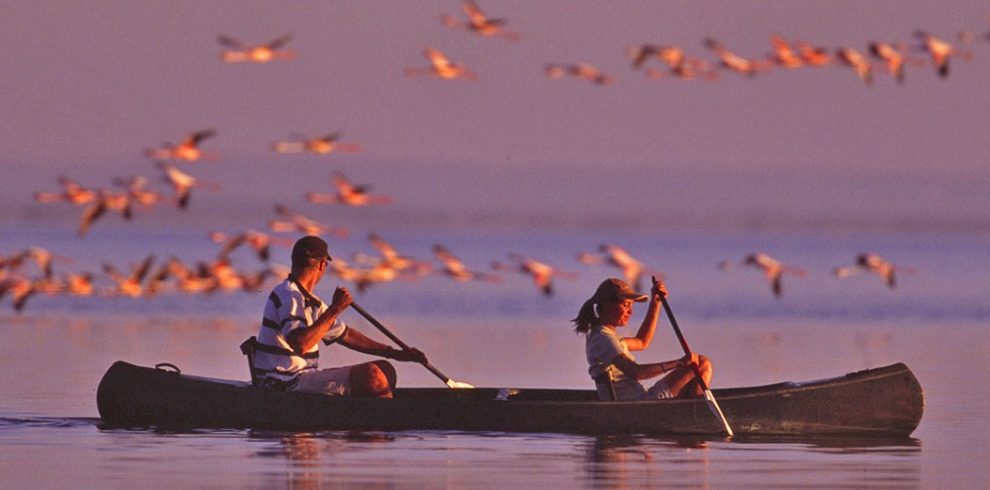
- The lake is soda lake with flamingos
- Stunning sunset views
- Dinner at camp (7:30 PM)
- Reflection on the day's profound experiences
- Discussion with guide about what you learned
- Processing the cultural immersion
Cultural Reflection:
- Today you witnessed lifestyles unchanged for millennia
- These are not museum exhibits but living cultures
- Your visit provides economic benefit
- But also raises questions about change and preservation
- The Hadzabe face pressure from farmers encroaching on land
- Tourism provides alternative to selling land
- Complex ethical considerations
- Your role as responsible traveler
Overnight: Kisima Ngeda Camp or Lake Eyasi Safari Lodge Meals: Breakfast, Lunch, Dinner
Morning:
- Leisurely wake-up (no 4 AM start today!)
- Breakfast at camp (7:30 AM)
- Morning at leisure or optional activities:
Option 1: Return Hadzabe Visit (Different Experience)
- Visit different Hadzabe group
- Focus on women's activities:
- Gathering wild foods
- Processing baobab fruit
- Caring for children
- Making jewelry from beads and bones
- Daily camp life
- Different perspective from hunting
- Learn about gender roles in Hadzabe society
- Women have equal status with men
- Children grow up with incredible freedom
Option 2: Lake Eyasi Nature Walk
- Walk along lake shores with guide
- Birdwatching paradise:
- Flamingos (thousands, seasonal)
- Pelicans
- Various water birds
- Learn about local ecology
- Soda lake ecosystem
- How Hadzabe and Datoga co-exist with environment
Option 3: Relaxation at Camp
- Simply rest and process yesterday
- Journaling time
- Organize photos
- Read about East African cultures
- Swim in camp pool (if available)
- Massage treatments (some camps offer)
Midday:
- Lunch at camp (12:30 PM)
- Afternoon siesta during heat of day
Afternoon (3:00 PM - 6:00 PM):
- Extended Datoga Village Experience:
- Deeper cultural immersion
- Visit Datoga homes by invitation
- Share tea with families
- Learn about:
- Marriage customs (bride price paid in cattle)
- Coming of age rituals
- Relationship with land and livestock
- Traditional medicine and healing
- Children's education (or lack thereof)
- Changes they're experiencing
- Women's activities:
- Beadwork demonstrations
- Leather tanning process
- Cooking traditional foods
- Daily water collection routine
- Cultural performances (if offered):
- Traditional dances
- Songs and ceremonies
- Not staged but shared
- More time for genuine interaction
- Building relationships beyond surface tourism
Evening:
- Return to camp (6:00 PM)
- Sundowners overlooking the lake
- Dinner at camp (7:30 PM)
- Optional evening walk with naturalist
- Learn about nocturnal life
- Stargazing (spectacular in remote area)
- Early night
Overnight: Kisima Ngeda Camp or Lake Eyasi Safari Lodge
Meals: Breakfast, Lunch, Dinner
Morning:
- Wake-up call at 6:30 AM
- Breakfast at camp (7:00 AM)
- Pack and check out (8:00 AM)
- Say goodbye to Lake Eyasi
- Depart for Ngorongoro Highlands
Mid-Morning:
- Scenic drive through rural Tanzania (3-4 hours)
- Gradually ascending to highlands
- Route passes through:
- Small villages and towns
- Agricultural areas (coffee, bananas, vegetables)
- Increasingly cooler climate
- Enter Ngorongoro Conservation Area
- Pass through Maasai lands
- See Maasai herders with cattle
Midday:
- Arrive at The Highlands or Gibb's Farm (12:00 PM)
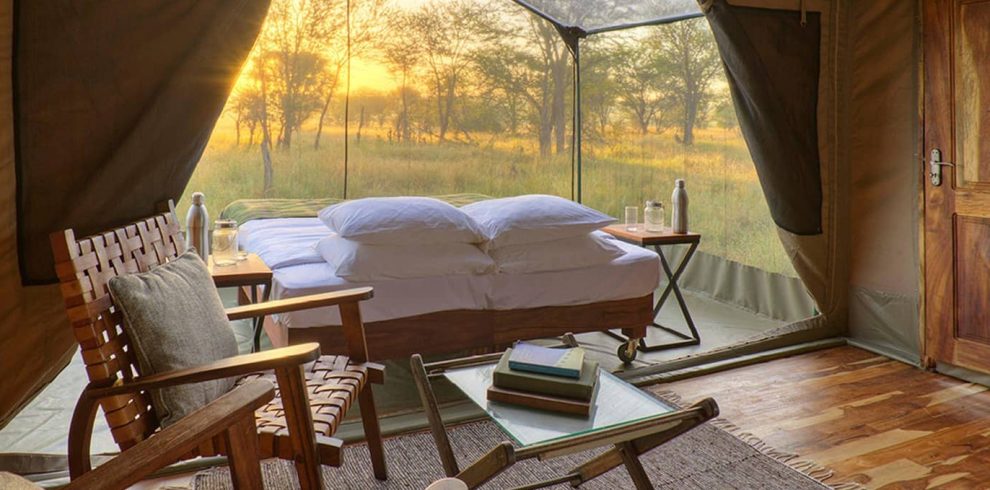
- Check into unique accommodation
- The Highlands:
- Geodesic dome tents
- Perched on crater rim
- Stunning architecture and views
- Luxury in wilderness
- Gibb's Farm:
- Historic farmhouse
- Organic coffee plantation
- Lush gardens
- More traditional comfort
- Lunch at lodge (1:00 PM)
Afternoon (2:30 PM - 6:00 PM):
- Maasai Cultural Visit:
- Walk or short drive to nearby Maasai boma
- Introduction to Maasai culture:
- Semi-nomadic pastoralists
- Famous warriors of East Africa
- Distinctive red shukas (cloth)
- Elaborate beaded jewelry
- Live in enkang (boma) - circular thorn fence enclosure
- Traditional welcome:
- Greeted by moran (warriors)
- Welcome song and jumping dance (adumu)
- Their jumping is legendary!
- Village tour:
- Enter the enkang
- Visit traditional homes (inkajijik)
- Made from mud, sticks, grass, cow dung
- Dark interior, no windows
- Separate sections for people and young livestock
- Meet families living there
- See daily life activities
- Cultural demonstrations:
- Fire-making:
- Using sticks and dried cow dung
- Different technique from Hadzabe
- Beadwork:
- Watch women creating jewelry
- Each color and pattern has meaning
- Red = bravery, white = purity, blue = sky/water
- Learn to make simple bracelet
- Maasai warrior training:
- Spear throwing demonstration
- Jumping competitions
- Songs and chants
- Try jumping yourself!
- Traditional dress:
- Try on shuka (red cloth)
- Wear beaded jewelry
- Photo opportunities
- Fire-making:
- Cultural education:
- Learn about:
- Age-set system (social organization)
- Rite of passage ceremonies
- Traditional warrior culture (now evolving)
- Their diet (milk, blood, meat - very little vegetables)
- Relationship with cattle (wealth and identity)
- Land challenges and conflicts
- Co-existence with wildlife
- Education and modernization pressures
- Learn about:
- School visit (if appropriate):
- Visit Maasai primary school
- Meet teachers and students
- Learn about education challenges
- Cultural shift as children become educated
- Honest conversations:
- Discuss challenges facing Maasai:
- Land loss to conservation and farming
- Pressure to abandon traditional lifestyle
- Balance between tradition and modernity
- Young people moving to cities
- Tourism as economic opportunity
- Your role and tourism impact
- How to support respectfully
- Discuss challenges facing Maasai:
- Purchase crafts (optional):
- Authentic beaded jewelry
- Shukas and blankets
- Maasai sandals (made from recycled tires!)
- Rungu (traditional club)
- Direct support to families
Evening:
- Return to lodge (6:00 PM)
- Freshen up and relax
- Sundowners with crater views
- The Highlands: spectacular panoramic sunsets
- Gibb's Farm: garden strolls
- Dinner at lodge (7:30 PM)
- Optional evening activities:
- Crater rim walk (if at The Highlands)
- Coffee plantation tour (if at Gibb's Farm)
- Stargazing from your dome
- Discussion about cultural experiences so far
Cultural Reflection:
- Three different ethnic groups in three days
- Hadzabe, Datoga, Maasai - vastly different lifestyles
- All facing modernization pressures
- Each maintaining identity in different ways
- Your observations and feelings
- What have you learned?
- How has your perspective changed?
Overnight: The Highlands or Gibb's Farm
Meals: Breakfast, Lunch, Dinner
Morning:
- Wake-up call at 6:00 AM
- Breakfast with crater views (6:30 AM)
- Optional morning activity before departure:
- Crater rim walk (The Highlands)
- Farm tour (Gibb's Farm)
- Organic coffee processing
- Meet farm workers
- Fresh produce gardens
- Check out (8:00 AM)
- Depart for Serengeti
Mid-Morning:
- Drive through Ngorongoro Conservation Area
- This is Maasai land with wildlife
- Unique multiple land-use area
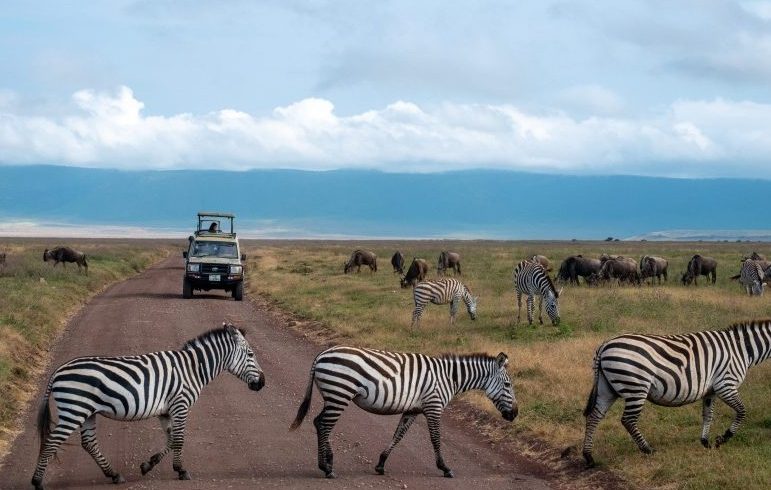
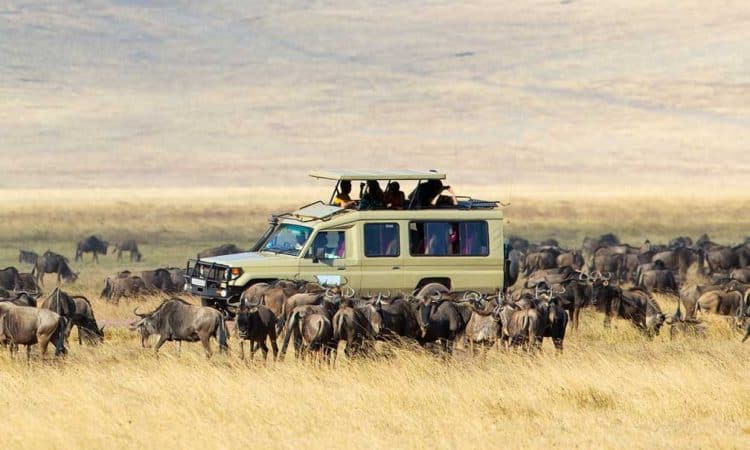
- See Maasai herders alongside zebras and wildebeest
- Optional stop: Olduvai Gorge (30-45 minutes)
- "Cradle of Mankind"
- Leakey family's archaeological site
- Early human evolution
- Fossils and stone tools
- Museum visit
- Connects human culture to deep time
Midday:
- Enter Serengeti National Park (12:00 PM)
- Naabi Hill Gate
- Picnic lunch at gate area
- Begin game drive
- The focus shifts back to wildlife
- But with new perspective after cultural immersion
- Understanding human-wildlife coexistence
- Conservation challenges
- Who owns the land?
- Whose ancestral territory is this?
Afternoon:
- Game drive through southern/central Serengeti
- See the Big Five you've been hearing about
- But now with deeper context
- These animals coexist with Maasai livestock
- Maasai warriors traditionally killed lions (now illegal)
- Complex relationship between people and wildlife
Late Afternoon:
- Arrive at Dunia Camp or Olakira Migration Camp (5:00 PM)
- Check into luxury tented accommodation
- These camps are mobile, following wildlife
- Low environmental impact
- Community partnerships
- Employment for local people
Evening:
- Settle into camp
- Sundowners on the plains
- Dinner under stars (7:30 PM)
- Discussion with guide about conservation
- Community-based tourism
- How safari tourism supports conservation
- Economic benefits for local communities
- Job creation
- Your money's impact
Overnight: Dunia Camp or Olakira Migration Camp
Meals: Breakfast, Lunch, Dinner
Full Day Game Drive:
- Early morning departure (6:00 AM)
- Bush breakfast in wilderness
- Explore Serengeti's diverse ecosystems
- Looking at wildlife differently now:
- Having met the Hadzabe, Datoga, Maasai
- Understanding their historical relationship with these lands
- How conservation displaced some peoples
- Complex ethics of wildlife protection vs. human rights
- Maasai excluded from Serengeti in 1959
- Their sacred sites now tourist destinations
- How do they feel about this?
Wildlife Viewing:
- All the classic safari experiences
- Big Five searching
- Predator tracking
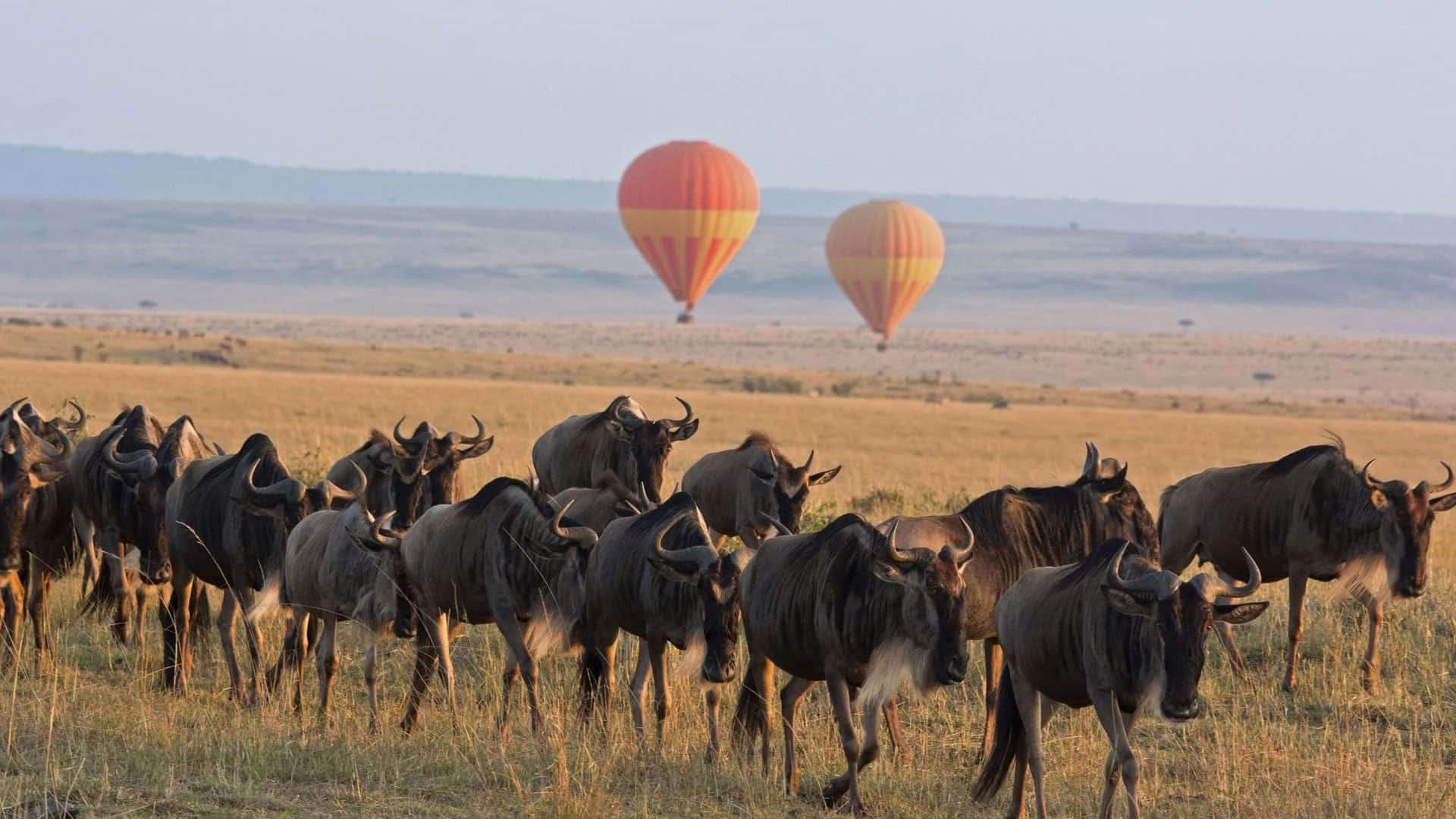
- Migration herds (seasonal)
- But with enriched understanding
- This land has been humans' home for millennia
- Wildlife AND people are indigenous here
Midday:
- Picnic lunch in bush
- Continue game drives
- Visit different areas
Afternoon:
- More wildlife viewing
- Photography opportunities
- Golden hour magic
Evening:
- Return to camp
- Sundowners
- Dinner
- Optional:
- Visit nearby Maasai community if camp has partnerships
- Meet camp staff (many are local)
- Hear their stories
- How tourism changed their lives
- Educational opportunities created
- Pride in their work
Overnight: Dunia Camp or Olakira Migration CampMeals: Breakfast, Lunch, Dinner
Another full day in Serengeti
- Similar structure to Day 6
- But exploring different areas
- Perhaps focus on specific animals or behaviors
- Optional activities:
- Hot air balloon safari (extra cost)
- Aerial perspective
- See the vastness
- Understand the ecosystem scale
- Walking safari (if camp offers)
- With Maasai guide
- Learn tracking from their perspective
- Their traditional ecological knowledge
- Plant medicines
- Animal behaviors
- Reading the landscape
- Hot air balloon safari (extra cost)
Cultural Connection:
- Many safari guides are Maasai
- They know these lands intimately
- Traditional knowledge + formal training
- Ask your guide about their story:
- Growing up Maasai
- Becoming a safari guide
- Bridging two worlds
- What it means to them
Evening:
- Final night in Serengeti
- Special dinner celebration
- Reflect on journey
- Cultural and wildlife experiences
- How they intertwine
- What you'll take home
Overnight: Dunia Camp or Olakira Migration Camp
Meals: Breakfast, Lunch, Dinner
Morning:
- Early breakfast
- Final Serengeti game drive en route to airstrip
- OR if driving: long drive back to Arusha (6-7 hours)
- Flying option (recommended):
- Morning flight Serengeti to Arusha (1.5 hours)
- Aerial views
- Arrive Arusha late morning
Midday:
- Arrive in Arusha
- Day room at hotel (if needed)
- Lunch
- Time for final shopping:
- Authentic crafts to support artisans
- Maasai jewelry, Tingatinga paintings
- Coffee, spices, textiles
- Choose items that directly benefit communities
Afternoon:
- Final debriefing (optional but valuable):
- Discuss with guide
- Process experiences
- Questions that arose
- Resources for learning more
- How to stay connected
- Responsible storytelling when home
- Transfer to airport
- Depart with transformed perspective
Includes
- ✅ Accommodation:
- 7 nights in selected lodges/camps (full board)
- All meals from dinner Day 1 to breakfast Day 8
- ✅ Cultural Experiences:
- Hadzabe hunting walk at dawn
- Visit to Hadzabe camps
- Traditional fire-making demonstration
- Bush food gathering experience
- Datoga blacksmith village visit
- Watch traditional metalworking
- Maasai boma visit in Ngorongoro Highlands
- Traditional dancing and ceremonies
- School visits where appropriate
- Cultural guides and translators
- Community fees and contributions
- ✅ Safari Activities:
- All game drives in Serengeti
- Professional safari guide throughout
- Private 4×4 Land Cruiser with pop-up roof
- Unlimited bottled water
- All park fees and conservation fees
- Flying Doctor emergency insurance
- ✅ Transfers:
- Airport pickup and drop-off
- All road transfers between destinations
Excludes
- What's NOT Included:
- International flights to/from Tanzania
- Tanzania visa ($50-100)
- Travel insurance (mandatory - $150-250)
- Alcoholic beverages (except at some all-inclusive camps)
- Tips and gratuities ($400-600 recommended)
- Personal expenses and souvenirs
- Laundry services
- Optional activities not mentioned
- Any meals in Arusha outside accommodation