Overview
For the dedicated visual storyteller, this is your ultimate itinerary. You’ll have a custom-modified vehicle, a private, expert guide with a deep knowledge of light and composition, and a focus on spending ample time at prime sightings.
Itinerary
Fly directly into the Serengeti to maximize your golden hour shoots in Tarangire, Ngorongoro, and the plains. This journey is crafted to ensure you come home with a gallery, not just an album.
Afternoon:
- Arrive Kilimanjaro International Airport
- Meet your private photography coordinator
- Transfer to Elewana Arusha Coffee Lodge (1 hour)
- Check into garden room
Late Afternoon (4:00 PM):
- Comprehensive Photography Safari Briefing:
- Meet your expert photography guide
- Review their credentials:
- Professional wildlife photographer
- Published work in major outlets
- Years of guiding experience
- Technical expertise
- Knowledge of animal behavior
- Equipment review:
- Show all your gear
- Test everything works
- Discuss backup plans
- Check battery charging situation
- Memory card organization system
- Data backup strategy
- Shot list creation:
- What do you hope to capture?
- Must-have shots vs. wish list
- Specific behaviors or species
- Compositional goals
- Your portfolio needs
- Technical discussion:
- Your experience level
- Comfort with manual settings
- Areas you want to improve
- Questions about technique
- Itinerary review:
- Why each location was chosen
- Light at different times
- Seasonal animal behaviors
- Positioning strategies
- Backup plans for weather
Evening (6:00 PM):
- Sunset practice session (optional):
- Walk coffee estate grounds
- Test gear in golden hour light
- Get comfortable with guide
- Review settings and results
- Practice low-light shooting
Dinner (7:30 PM):
- Review tomorrow's early start
- Discuss sunrise shooting plans
- Pack vehicle tonight:
- All gear loaded and organized
- Easy access to everything
- Multiple batteries charged
- Cards formatted and ready
- Camera settings configured
Evening:
- Review your existing portfolio with guide
- Discuss strengths to build on
- Identify areas for improvement during safari
- Early night (8:30 PM)
- Tomorrow starts before dawn!
Overnight: Elewana Arusha Coffee Lodge Meals: Dinner
Pre-Dawn:
- Wake-up call at 4:30 AM
- Quick coffee and pastries (5:00 AM)
- Depart in darkness (5:15 AM)
- Why so early?
- Arrive at Tarangire for first light
- Sunrise through baobabs
- Animals most active at dawn
- Soft, directional light
- Fewer vehicles
Dawn:
- Drive to Tarangire (2 hours)
- Arrive at gate as park opens (7:30 AM)
- First light photography immediately:
- Morning mist in baobab forest
- Elephants emerging from trees
- Backlit subjects
- Long shadows creating drama
- Side lighting on baobabs
Morning (7:30 AM - 11:00 AM):
- Prime photography session:
- Your guide knows where animals will be
- Position for optimal light
- Tarangire photographic opportunities:
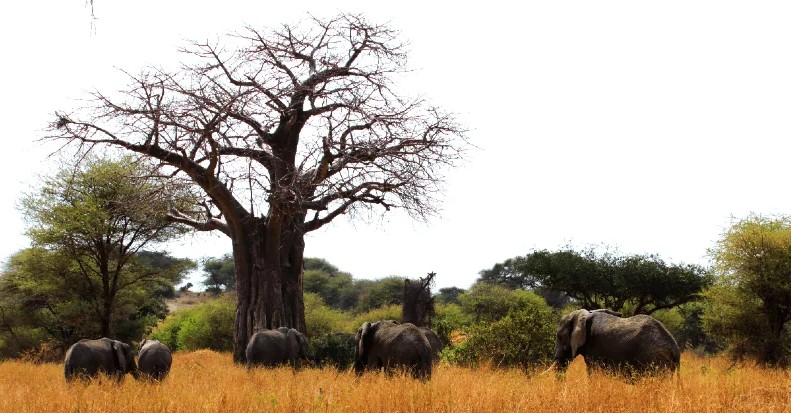
- Elephants with baobabs - iconic shot
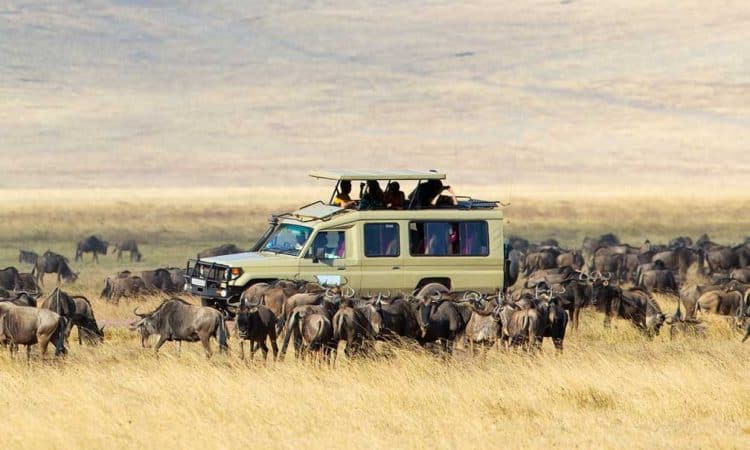
- Massive herds crossing plains
- Family dynamics and interactions
- Bulls with impressive tusks
- Babies playing
- Mud bathing
- Compositions to try:
- Silhouettes against baobabs
- Leading lines with elephant paths
- Rule of thirds with trees
- Environmental portraits
- Abstract patterns in herds
- Birds:
- Yellow-collared lovebirds
- Lilac-breasted rollers
- Hornbills on branches
- Predators:
- Lions in trees (if lucky!)
- Leopards on branches
- Your guide will:
- Position vehicle perfectly
- Turn off engine for stability
- Give you time (no rushing!)
- Point out photographic moments
- Help with settings if needed
Late Morning:
- Breakfast in the bush (9:30 AM):
- Set up in photogenic location
- Shoot the setup itself
- Environmental shots while eating
- Continue after breakfast
Midday:
- Arrive at Kuro Tarangire or Sanctuary Swala Camp (12:00 PM)
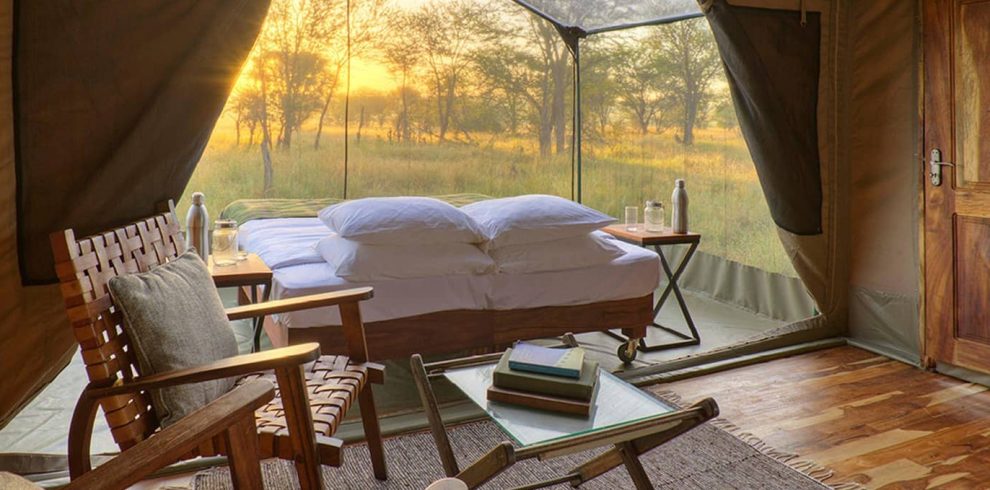
- Check into your photography-friendly accommodation
- Camp features for photographers:
- Charging stations in room
- Space to spread out gear
- Good WiFi for backing up/sharing
- Staff understand photographers' needs
- Lunch (12:30 PM)
- Download and backup session (1:30-3:30 PM):
- Essential daily routine
- Review morning's shots with guide
- Discuss what worked/what didn't
- Adjust approach for afternoon
- Backup to multiple drives
- Quick edit a few favorites
- Share on social if desired
- Clean lenses and sensors
- Charge all batteries
- Format used cards (after backup!)
- Siesta and preparation for afternoon
Afternoon (4:00 PM):
- Afternoon photography session:
- Different light than morning
- Warm, golden tones developing
- Animals more active as temperature drops
- Focus on behavior shots
- Potential scenarios:
- Elephants bathing in golden light
- Giraffes browsing with sun behind
- Predators waking up
- Birds in flight with golden sky
- Your guide maximizes positions
- Flexible timing based on light and action
Evening:
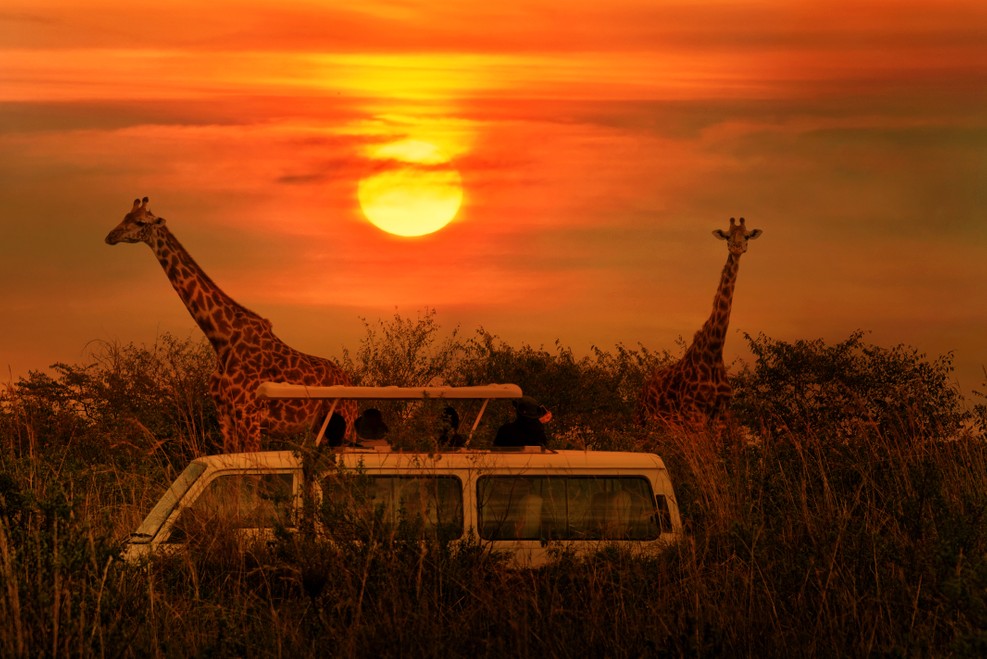
- Extended golden hour shooting (5:30-7:00 PM):
- This is why you're here!
- Most dramatic light of day
- Techniques to try:
- Backlit subjects (rim lighting)
- Silhouettes
- Flare for mood (controlled)
- Dust creating atmosphere
- Long shadows adding drama
- Compositions:
- Sun stars through baobabs
- Animals silhouetted on horizon
- Dramatic skies with wildlife
- Stay until last possible moment
- Your guide knows exactly when to return
Night:
- Return to camp (7:15 PM)
- Quick refresh
- Dinner and review session (8:00 PM):
- Share today's best shots
- Guide provides feedback
- Discuss tomorrow's plan
- Weather forecast review
- Adjust strategy if needed
- Equipment prep for tomorrow
- Early night (9:00 PM)
Shot Count Today: Expect 500-1,000+ images!
Overnight: Kuro Tarangire or Sanctuary Swala Camp
Meals: Breakfast, Lunch, Dinner
Pre-Dawn:
- Wake-up call at 5:00 AM
- Quick breakfast (5:30 AM)
- Depart before sunrise (5:45 AM)
Dawn (6:00-8:00 AM):
- Sunrise photography session:
- Different location than yesterday
- Your guide knows multiple spots
- Focus today:
- If you got your baobab/elephant shot yesterday, explore other subjects
- Or perfect that shot with better light/behavior
- Photographers' luxury: TIME
- Can wait hours for the moment
- No pressure to move on
- Today's priorities (adjust based on your goals):
- Animal behavior sequences
- Interaction shots
- Portrait studies
- Abstract patterns
- Creative compositions
Morning (8:00 AM - 12:00 PM):
- Continue photography throughout morning
- Bush breakfast (9:00 AM):
- Quick break, keep shooting
- Your guide coordinates with camp
- Beautiful setup you can photograph
- Advanced techniques session:
- Your guide helps you try:
- Panning for motion blur
- Multiple exposures
- Creative bokeh
- Environmental context shots
- Storytelling sequences
- Your guide helps you try:
- Return to camp (12:00 PM)
Midday:
- Lunch at camp (12:30 PM)
- Extended editing session (1:30-4:00 PM):
- Download morning's images
- Backup religiously
- Edit select images
- Your guide can provide processing tips
- Work on your portfolio
- Instagram/social media posts if desired
- Send previews to family/clients
- Sensor cleaning if needed
- Equipment check
- Rest and prepare
Afternoon/Evening:
- Depart 4:00 PM
- Golden hour and sunset (4:00-7:00 PM):
- Different area than yesterday
- Maximum golden hour coverage
- Potential subjects:
- Different elephant families
- Predators becoming active
- Birds returning to roosts
- Dramatic sky compositions
- Stay until dark
- Blue hour shots:
- Just after sunset
- Deep blue sky
- Silhouettes
- Different mood
- Night drive back (spotlight for bonus shots)
Night:
- Return camp (7:30 PM)
- Dinner (8:00 PM)
- Portfolio review:
- Curate best shots from two days
- See your improvement
- Discuss Ngorongoro tomorrow
- Different challenges ahead
Overnight: Kuro Tarangire or Sanctuary Swala Camp Meals: Breakfast, Lunch, Dinner
Morning:
- Wake-up call at 6:00 AM
- Final morning shoot in Tarangire (6:30-8:30 AM):
- Last chance for that perfect shot
- Any species you missed?
- Favorite spot revisited
- Return to camp for breakfast (9:00 AM)
- Check out (10:00 AM)
- Depart for Ngorongoro
Midday:
- Scenic drive to Ngorongoro (3 hours)
- Stop at viewpoints for landscape photography
- Arrive at The Manor at Ngorongoro (1:00 PM)
- Stunning colonial-style manor house
- Check in and lunch (1:30 PM)
- Brief rest and download session (2:30-4:00 PM)
Afternoon:
- Crater rim photography walk (4:30-6:00 PM):
- Guided walk along rim
- Landscape photography:
- Crater panoramas
- Telephoto compression of distant wildlife
- Layers of depth
- Dramatic clouds and light
- Practice for tomorrow's crater descent
- Scout lighting angles
- Plan tomorrow's strategy
Evening:
- Sundowners on rim (6:00 PM)
- Sunset photography
- Dinner at manor (7:30 PM)
- Crater photography briefing:
- Different from open plains
- Enclosed space, specific light
- Where animals congregate
- Best shooting positions
- Time management (must leave by 6 PM)
- Tomorrow's plan
- Early night
Overnight: The Manor at Ngorongoro
Meals: Breakfast, Lunch, Dinner
Pre-Dawn:
- Wake-up call at 5:00 AM
- Quick breakfast (5:30 AM)
- Depart for crater (5:45 AM)
- Why earliest descent?
- First vehicle down
- Best light
- Animals active
- Before crowds
Dawn:
- Begin descent (6:00 AM)
- 20-minute drive down
- Misty, mysterious atmosphere
- Shoot from vehicle during descent
- Reach crater floor (6:30 AM)
- Morning light magic begins
Morning (6:30 AM - 12:00 PM):
- Full morning photography session:
- Big Five focus:
- Black Rhinos - #1 priority
- Rarest, hardest to find
- Usually in Lerai Forest or grasslands
- Your guide knows likely locations
- May need to wait and track
- Position carefully for light
- Respect safe distance
- Lions - Often seen
- Multiple prides
- Distinctive black manes
- Hunting behavior possible
- Pride interactions
- Cubs if lucky
- Elephants - Large bulls
- Massive tusks
- Individual character shots
- Mud bathing
- Buffalo - Massive herds
- Thousands possible
- Patterns and abstracts
- "Dagga boys" portraits
- Leopards - Challenging
- Forest edges
- Early morning best
- Requires patience and luck
- Black Rhinos - #1 priority
- Other Photography Opportunities:
- Flamingos at Lake Magadi (thousands!)
- Hyena clans at dens
- Golden jackals
- Crowned cranes
- Hippo pools
- Crater landscapes with wildlife
- Photographic Advantages of Crater:
- Animals used to vehicles
- Close approaches possible
- Predictable locations
- Dramatic backgrounds (crater walls)
- High density = multiple subjects
- Challenges:
- Many vehicles (position carefully)
- Fixed roads (can't go off-road)
- Must leave by 6 PM (time management)
- Harsh midday light
- Big Five focus:
Midday:
- Lunch at hippo pool (12:00-1:00 PM):
- Designated picnic site
- Photograph the hippos
- Waterbirds abundant
- Black kites trying to steal food!
- Shoot while you eat
- Continue after lunch
Afternoon (1:00-5:00 PM):
- Extended photography session:
- Less ideal light but still productive
- Search for missing Big Five members
- Behavior photography
- If you've got your shots:
- Creative experiments
- Different angles/perspectives
- Environmental portraits
- Abstract approaches
- If still hunting specific animals:
- Your guide's network helps
- Radio communication
- Track down sightings
- Stay as late as possible
- Golden hour in crater is special
Evening:
- Begin ascent (5:30 PM)
- Must be out by 6 PM (park rules)
- Drive to airstrip (6:30 PM)
- Fly to Serengeti (7:00 PM flight):
- Short 45-minute flight
- Why fly:
- Saves 5-6 hours of driving tomorrow
- Maximizes Serengeti photography time
- Aerial photography opportunities
- Arrive at camp for dinner
- Land in Serengeti (7:45 PM)
- Game drive to camp in darkness
- Arrive at Lamai/Namiri/Singita (8:30 PM)
Night:
- Late dinner (9:00 PM)
- Quick download and backup
- Rest for tomorrow
- Five full days of Serengeti ahead!
Overnight: Lamai Serengeti / Namiri Plains / Singita Sabora
Meals: Breakfast, Lunch, Dinner
Each day follows similar structure but explores different areas and opportunities
Daily Schedule Template:
Pre-Dawn (5:00 AM):
Coffee delivered to tent
Quick prep
Depart by 5:30 AM for sunrise
Dawn to Mid-Morning (5:30-10:00 AM):
Prime photography hours
Soft, directional light
Animals most active
Focus areas vary by day/location:
Day 6: Introduction to Serengeti, general exploration
Day 7: Predator focus (lions, cheetahs, leopards)
Day 8: Migration herds (if present) or specific behaviors
Day 9: Portfolio completion, any missed shots
Bush Breakfast (9:00-10:00 AM):
In photogenic locations
Continue shooting while eating
Scout next areas
Late Morning (10:00 AM-12:00 PM):
Light getting harsh
Focus on:
Shaded subjects
Behavior over beauty
Scouting for afternoon
Return to camp
Midday (12:00-4:00 PM):
Lunch at camp
Essential editing time:
Download morning's 500-1,000 images
Backup to multiple drives
Edit selects
Portfolio building
Technical review with guide
Equipment maintenance
Battery charging
Card management
Rest and prepare
Review afternoon plan
Afternoon/Evening (4:00-7:00 PM+):
Golden hour hunting
Most critical shooting time
Flexible, follow the light and action
Stay out as long as light permits
Blue hour shooting
Night drive back with spotlight
Night (8:00-10:00 PM):
Dinner
Quick download
Review day's best shots
Plan tomorrow
Social media if desired
Early to bed
Serengeti Photography - Location-Specific Opportunities:
If Northern Serengeti (Lamai Camp):
River crossings (July-October):
Most dramatic wildlife photography on Earth
Your guide positions hours in advance
Multiple shooting positions
Anticipate action zones
High-speed photography
Storytelling sequences
Emotion and drama
Mara River year-round:
Hippos, crocodiles
Drinking scenes
Reflections
Landscape opportunities
If Central Serengeti (Namiri Plains):
Cheetah specialists:
Namiri has exceptional cheetah density
Your camp knows territories
Morning hunting sequences
Mother-cub interactions
High-speed action
Open plains backgrounds
Kopjes photography:
Lions on rocks
Leopards lounging
Landscape elements
Golden hour magic
If Western Serengeti (Singita Grumeti):
Private concession advantages:
Off-road driving permitted
Perfect positioning
No other vehicles
Extended time
Walking for different perspectives
Grumeti River crossings:
June-July smaller crossings
Less crowded than Mara
Still dramatic
Giant crocodiles
Migration Photography (Seasonal):
Calving season (January-March, Southern Serengeti):
Thousands of babies born daily
Predator action intense
Circle of life drama
Emotional storytelling
Easier shooting (short grass, open plains)
River crossings (July-October, Northern Serengeti):
Peak drama
Chaos and action
Multiple crossings daily
Patience required
Position early
High frame rate essential
Backup cameras ready
General Serengeti Photographic Subjects:
Predators:
Lions (prides, males, hunts)
Leopards (trees, rocks, hunting)
Cheetahs (hunting, speed, cubs)
Wild dogs (rare but possible)
Hyenas (clans, behavior)
Jackals, servals, caracals
Prey Species:
Wildebeest (herds, individuals, calves)
Zebras (patterns, interactions)
Gazelles (Thomson's, Grant's)
Topi, hartebeest, eland
Giraffes (portraits, browsing)
Elephants (woodland populations)
Birds:
Secretary birds
Martial eagles
Vultures (multiple species)
Kori bustards
Lilac-breasted rollers
Superb starlings
Over 500 species possible
Landscapes:
Endless plains
Kopjes and sky
Acacia trees
Dramatic skies
Sunrises and sunsets
Wildlife in environment
Advanced Photography Techniques to Practice:
Composition:
Rule of thirds (master it, then break it)
Leading lines
Framing within frame
Negative space
Fill the frame
Environmental context
Patterns and abstracts
Storytelling sequences
Technical:
Exposure compensation
Spot metering for tricky light
Back-button focus
Custom white balance
HDR for landscapes
Focus stacking if needed
Multiple exposures
Long exposures (creative)
Creative:
Motion blur (panning)
Intentional camera movement
Silhouettes
Backlighting
Reflections
Shadows and light play
Monochrome thinking
Minimalist approaches
Behavioral:
Anticipation
Patience
Action sequences
Interactions
Emotion
Eye contact
Decisive moments
Final Morning:
- Option A: Final sunrise shoot then fly:
- 5:30 AM departure
- Two-hour morning session
- Return for breakfast
- Fly to Arusha (9:00-10:00 AM)
- Option B: Leisurely morning:
- Sleep in (rare luxury!)
- Late breakfast
- Final download and backup
- Fly mid-morning
Midday:
- Arrive Arusha (11:00 AM)
- Day room at Coffee Lodge
- Lunch provided
- Final editing session:
- Download all remaining images
- Complete backup verification
- Select portfolio highlights
- Quick edit favorites for sharing
- Organize files for travel
Afternoon:
- Portfolio review with guide (optional):
- Discuss your best work
- Technical achievements
- Improvement areas
- Post-processing tips for home
- How to share/publish
- Competition opportunities
- Building your portfolio further
- Final shopping if desired
- Prepare for departure
- Transfer to airport (3 hours before flight)
Departure:
- Leave with:
- 10,000-20,000+ images
- Multiple backups
- Incredible memories
Includes
- ✅ Photography Services:
- Private expert photography guide (entire safari)
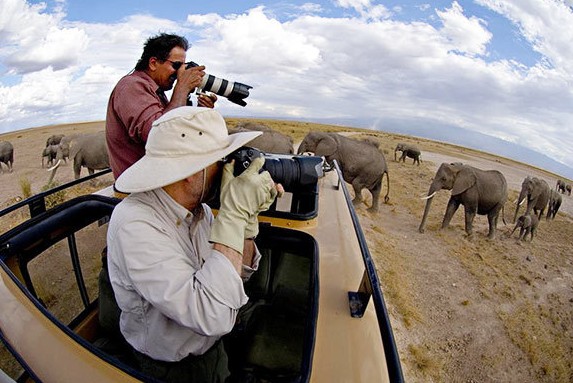
- Modified photography vehicle with:
- Custom roof hatches/removable roof
- Professional beanbag supports
- Multiple shooting positions
- Gear storage and protection
- Battery charging stations
- Lens cleaning kit
- Flexible schedule for optimal light
- Extended time at prime sightings
- Early morning departures for sunrise
- Late returns for sunset
- Post-processing consultation
- Shot list planning
- Portfolio review sessions
- ✅ Accommodation:
- 9 nights premium lodges/camps (full board)
- Properties chosen for location & light
- All meals and most beverages
- ✅ Flights:
- Internal flights (Arusha-Serengeti-Arusha)
- Scenic routing when possible
- ✅ Park Fees:
- All entrance and conservation fees
- Crater fees
- Private concession access (where applicable)
- ✅ Support:
- Flying Doctor emergency insurance
- Airport transfers
- Park guidebooks and maps
- 24/7 coordinator support
Excludes
- International flights to/from Tanzania
- Tanzania visa ($50-100)
- Travel insurance (mandatory - $250-400)
- Alcoholic beverages (except at all-inclusive camps)
- Tips and gratuities ($800-1,200 recommended)
- Camera equipment and accessories
- Photography workshop/instruction (if desired - extra $500-1,000)
- Drone permits and fees (if applicable - $500-1,000)
- Image processing software subscriptions
- Personal expenses